


Understanding the Difference Between Heating Water and Heating Oil
One of the most common mistakes in industrial heating projects is assuming that water and oil can be heated using identical heater designs.
In practice, these liquids behave very differently.
| Property | Water | Oil |
| Thermal Conductivity | Higher | Lower |
| Viscosity | Low | Medium to High |
| Heating Response | Faster | Slower |
| Surface Temperature Tolerance | Higher | Lower |
| Risk of Carbon Build-Up | Minimal | Higher |
Because oil transfers heat less efficiently than water, excessive watt density may cause localized overheating, carbon deposits, and premature heater failure.
For this reason, heaters designed for oil applications often require larger heating surfaces and lower watt density compared to water heating systems.

Engineering Factors That Affect Heater Selection

Selecting an Oil and Water Heater involves more than choosing voltage and power.
Our engineering team typically evaluates the following factors before recommending a heater configuration.
Liquid Type
Hydraulic oil, lubricating oil, fuel oil, purified water, process water, and cleaning solutions all have different heating requirements.
Operating Temperature
Required operating temperature directly influences heater material selection and surface loading.
Heating Time Requirements
Systems requiring rapid temperature increases may need different heater designs compared to applications focused on temperature maintenance.
Fluid Movement
Natural convection, forced circulation, or pumped systems affect heat transfer performance.
Installation Environment
Indoor, outdoor, corrosive, or hazardous locations may require different protection methods and materials.
Common Heater Failures in Oil Applications
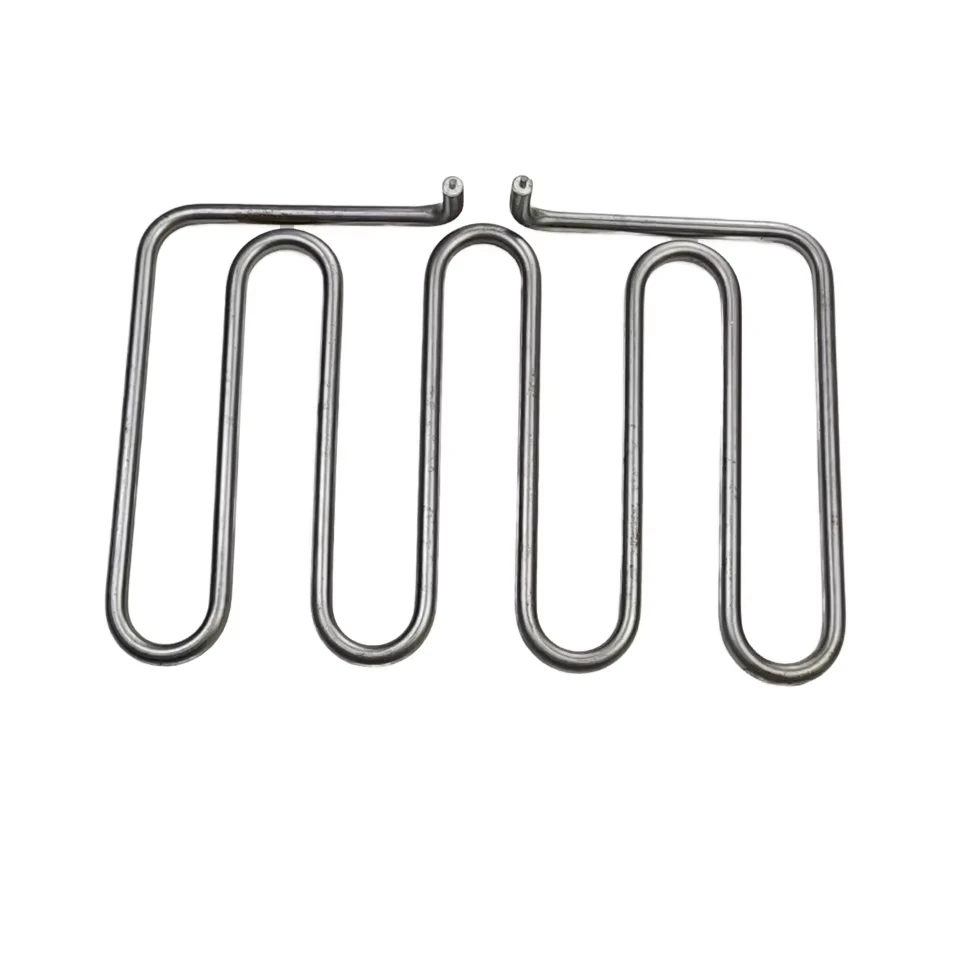
Based on practical industrial experience, many heater failures are not caused by manufacturing defects but by improper application design.
Excessive Watt Density
A heater selected with an overly high surface load may create localized hot spots.
Potential consequences include:
- Oil degradation
- Carbon deposits
- Reduced heater lifespan
- Increased maintenance requirements
Inadequate Fluid Circulation
When oil movement is limited, heat cannot dissipate effectively from the heating surface.
This can accelerate element overheating even when total heater power appears correct.
Incorrect Material Selection
Certain oils contain additives that may affect long-term corrosion resistance.
Selecting the appropriate sheath material helps improve service life and reliability.
Typical Industrial Applications
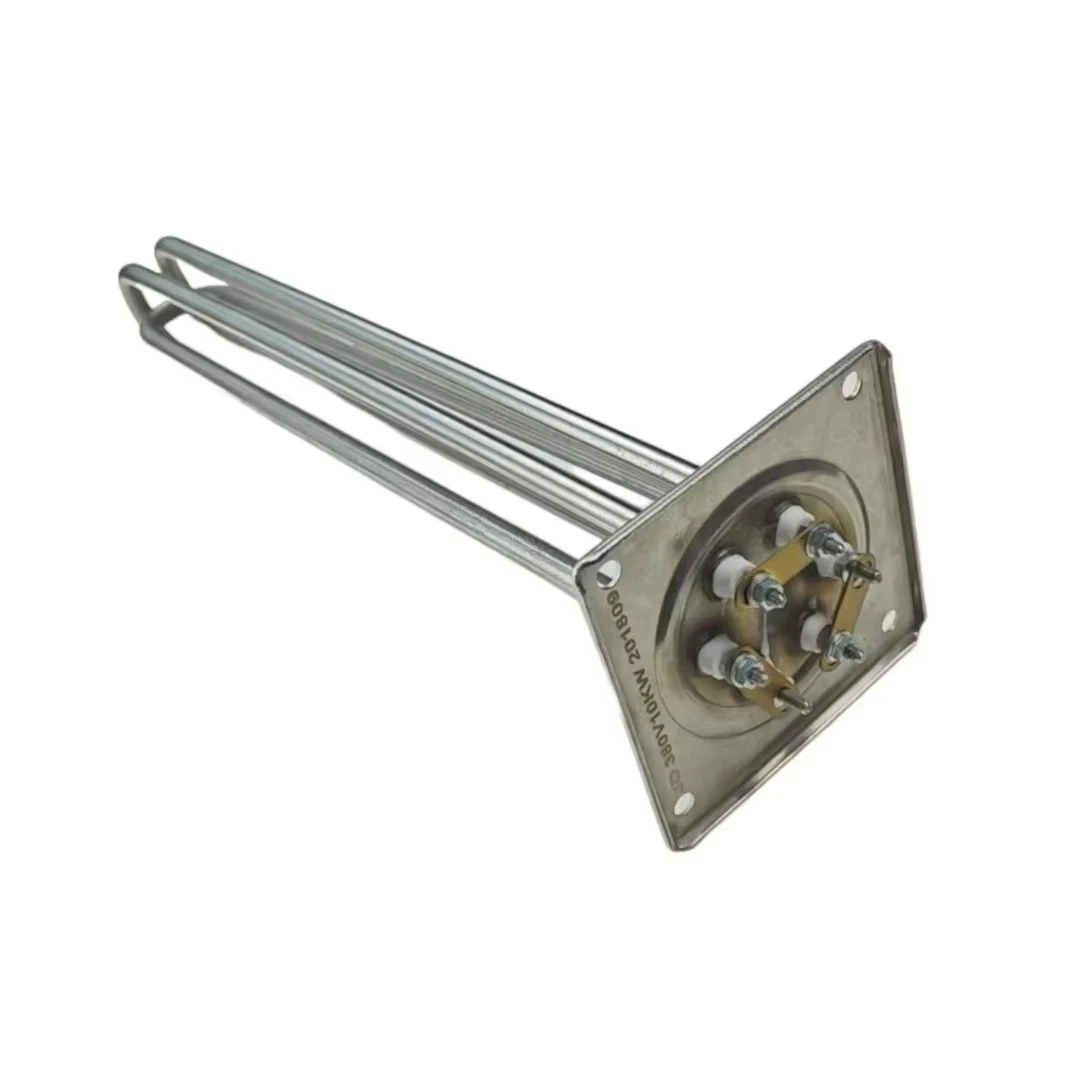
Hydraulic Power Units
Maintaining oil temperature improves startup performance and reduces viscosity-related issues during cold operation.
Lubrication Systems
Consistent oil temperatures help maintain equipment efficiency and reduce mechanical wear.
Fuel Storage and Transfer Systems
Heating fuel oil can improve flow characteristics and pumping performance.
Water Treatment Equipment
Water heaters are used to maintain process temperatures and prevent freezing in critical systems.
Industrial Cleaning Systems
Stable liquid temperatures improve cleaning effectiveness and process consistency.
Design Considerations Before Requesting a Quote
To avoid oversizing or undersizing a heater, our engineers typically request the following information:
- Liquid type
- Tank capacity
- Initial temperature
- Target temperature
- Available voltage
- Installation method
- Operating environment
Providing these parameters allows more accurate heater selection and helps prevent common application issues.
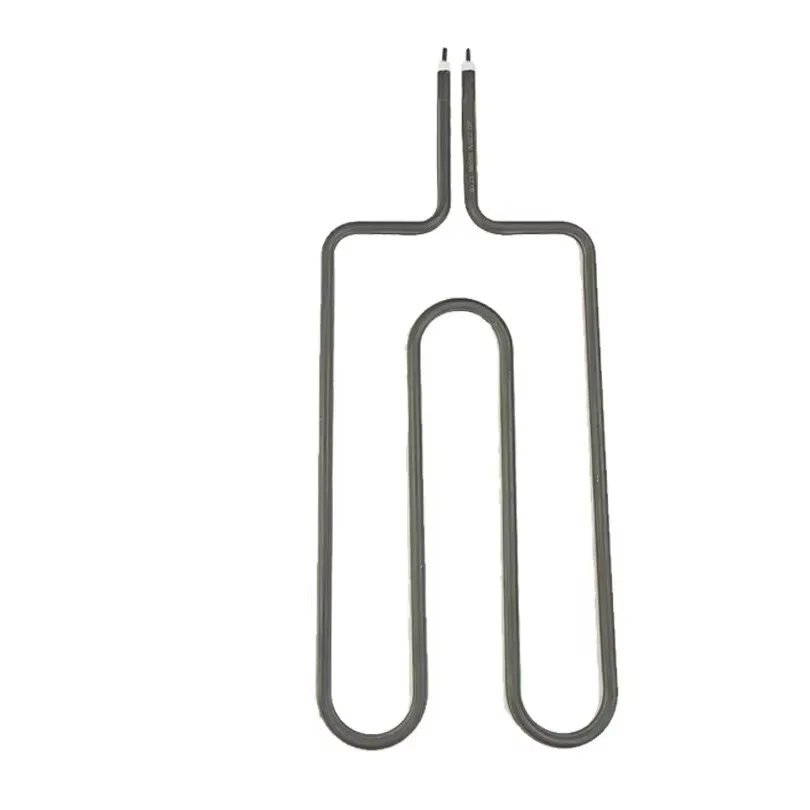
Material Selection for Different Liquids
Choosing the correct sheath material is critical for long-term performance.
| Liquid Type | Recommended Material |
| Clean Water | SUS304 |
| Industrial Water | SUS316L |
| Hydraulic Oil | SUS304 / SUS316L |
| Lubricating Oil | SUS316L |
| Fuel Oil | SUS316L |
| Corrosive Solutions | Titanium |
| High Temperature Applications | Incoloy |
Material compatibility should always be evaluated alongside operating temperature and chemical composition.
Manufacturing and Quality Control

Every Oil and Water Heater is manufactured according to established production and inspection procedures.
Production Process:
- Raw Material Inspection
- Resistance Wire Assembly
- Tube Forming
- Magnesium Oxide Filling
- Swaging and Compression
- Electrical Resistance Testing
- Insulation Resistance Testing
- Leakage Current Inspection
- Power Verification
- Final Inspection
Quality Assurance:
- Incoming Material Verification
- Electrical Safety Testing
- Output Power Inspection
- Insulation Testing
- Final Quality Review
Manufactured under an ISO9001 quality management system.
Certifications:
- CQC Certified
- ISO9001 Certified
Warranty:
- 1-Year Warranty
Custom Oil and Water Heating Solutions

Every industrial heating application has unique operating conditions.
We support customized solutions including:
- Custom voltage configurations
- Special power ratings
- Threaded or flanged installations
- Low watt density designs for oil heating
- Corrosion-resistant materials
- Integrated temperature control systems
- Explosion-proof configurations
MOQ: 50 Pieces
Most custom orders can be completed within 25 days depending on specifications and order quantity.
Certifications
Deliver complete, certified solutions


FAQ
Q: Why do oil heaters often require lower watt density?
A:Oil generally transfers heat more slowly than water. Lower watt density helps reduce localized overheating and carbon formation.
Q:Can the same heater be used for both oil and water?
A:In some cases yes, but the optimal design often differs depending on the liquid properties and operating conditions.
Q: What information is required for heater selection?
A:Liquid type, temperature range, tank size, voltage, installation method, and operating environment are typically required.
Q: Which material should I choose?
A:SUS304 and SUS316L are suitable for many industrial applications, while titanium and Incoloy are often used for more demanding environments.
Q: Do you provide OEM and custom manufacturing?
A:Yes. OEM and ODM services are available for industrial customers worldwide.
Request a Quote
Looking for an Oil and Water Heater designed for your specific application?
Share your liquid type, operating temperature, tank size, voltage, and installation requirements. Our engineering team will review the application and recommend a suitable heating solution.
Need a Custom Heating Solution?
Contact our engineering team for:
Product recommendations
OEM customization
Technical consultation
Fast quotation support
Get Free Quote
Contact Us
Send Inquiry
Hot Tags: oil and water heaters, China oil and water heaters manufacturers, suppliers, factory