


System-Level Heating Perspective
Unlike point-based heating devices, Industrial Fluid Heaters are often designed as part of a larger thermal system rather than a single component.
In practical engineering applications, heating performance is not determined only by heater power, but by how the heater interacts with:
- Fluid circulation speed
- Heat exchange surface area
- Tank or pipeline geometry
- System insulation conditions
- Load variation during operation
For this reason, Industrial Fluid Heaters are usually selected as part of a system design rather than a standalone product decision.

Thermal Behavior in Industrial Fluids

Different industrial fluids respond differently under heating conditions.
Instead of treating all liquids the same, engineers typically evaluate thermal behavior based on:
1. Heat Absorption Rate
Some fluids absorb heat quickly but lose it equally fast, requiring continuous compensation.
2. Internal Flow Condition
Stagnant fluids tend to develop thermal layering, while circulating systems improve uniformity.
3. Viscosity Response to Temperature
Certain oils and chemical fluids show significant viscosity reduction when temperature increases, which directly affects pump performance and system efficiency.
4. Stability Under Heat Load
Some process fluids may degrade if exposed to localized overheating, even when overall temperature is within acceptable range.
Engineering Configuration Approaches
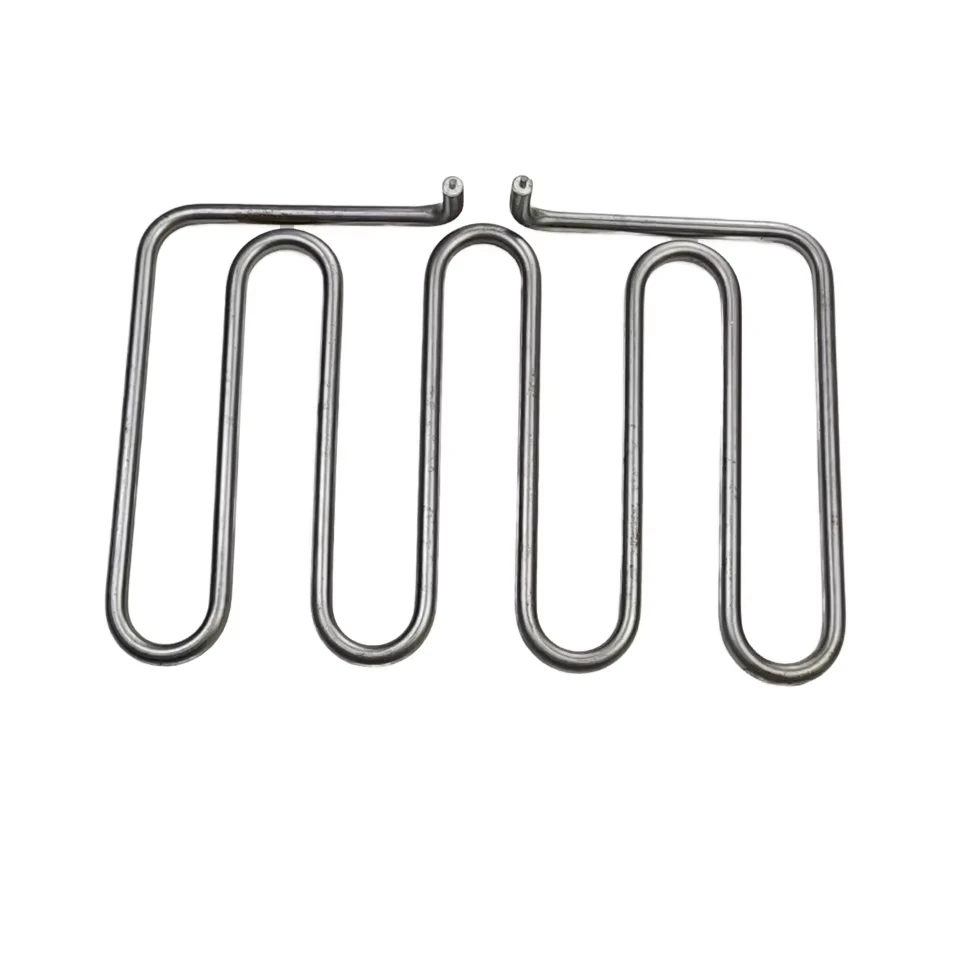
Industrial Fluid Heaters can be integrated into different system architectures depending on application requirements.
Inline Heating Configuration
Used when fluid flows continuously through pipelines requiring real-time temperature adjustment.
Tank-Based Heating Configuration
Used when fluids are stored in vessels requiring batch or maintenance heating.
Closed Loop Circulation Heating
Used in systems requiring continuous recirculation and stable temperature control.
Hybrid Thermal Systems
Combined configurations used in complex industrial setups where multiple heating points are required.
Design Considerations in Real Applications

In practical engineering projects, heater selection is influenced by several non-obvious factors.
Flow Instability
Variable flow rates may lead to inconsistent heat distribution if system design is not properly balanced.
Thermal Lag Effect
Large volume systems often experience delayed temperature response even when heater power is sufficient.
Surface Heat Concentration
Poor distribution design can create localized overheating zones even under normal operating conditions.
Energy Utilization Efficiency
System efficiency depends not only on heater output but also on how effectively heat is transferred into the fluid body.
Typical Industrial Integration Scenarios
Industrial Fluid Heaters are typically integrated into:
Manufacturing Process Lines
Maintaining consistent process temperatures during production cycles.
Hydraulic Energy Systems
Supporting stable oil temperature for mechanical efficiency.
Chemical Reaction Systems
Ensuring controlled thermal conditions for reaction stability.
Industrial Cleaning Systems
Maintaining cleaning fluid performance under continuous operation.
Energy Transfer Systems
Supporting heat transfer fluids in indirect heating networks.

Material Behavior in Industrial Heating Environments
Material selection is not only based on corrosion resistance but also thermal performance stability over time.
| Operating Condition |
|
|||
| Standard Water Systems | Stable thermal conductivity required | |||
| Industrial Oils | Resistance to carbon deposition | |||
| Chemical Fluids | Long-term corrosion stability | |||
| High Temperature Fluids | Structural stability under thermal stress | |||
| Mixed Media Systems | Balanced resistance and heat transfer efficiency |
Material performance directly influences maintenance cycle and long-term system reliability.
Engineering Selection Logic

Unlike standard product selection, Industrial Fluid Heater design is usually determined through a multi-variable engineering assessment:
- Fluid thermal characteristics
- Required temperature stability range
- System volume and flow behavior
- Installation constraints
- Energy supply limitations
- Operating cycle (continuous or intermittent)
This approach ensures that the heater is matched to the system behavior rather than only to nominal power requirements.
Manufacturing Control System

Each Industrial Fluid Heater is produced under a controlled engineering workflow:
- Material qualification and inspection
- Heating element configuration design
- Structural forming and assembly
- Insulation material filling
- Compression calibration process
- Electrical performance verification
- Thermal resistance validation
- Safety leakage inspection
- Load simulation testing
- Final engineering inspection
Quality and Reliability Assurance
Industrial Fluid Heaters are validated through multiple inspection layers to ensure stable long-term performance in industrial environments.
Quality control includes:
- Incoming material verification
- Electrical stability testing
- Thermal load simulation
- Insulation integrity testing
- Output consistency verification
- Final system-level inspection
All products are manufactured under ISO9001 certified processes and supported by a 1-year warranty with CQC certification compliance.
Engineering Customization Capability
Industrial applications often require non-standard configurations due to system differences.
Customization options include:
- Multi-zone heating structures
- Non-standard voltage systems
- Specialized thermal distribution designs
- Corrosion-resistant material upgrades
- Explosion-protection configurations
- Integrated sensor and control interfaces
MOQ: 50 units
Standard custom production cycle: within 25 days depending on configuration complexity.
Request Engineering Evaluation
To recommend a suitable Industrial Fluid Heater configuration, the following information is typically required:
- Fluid type and composition
- System structure (tank, pipeline, circulation)
- Operating temperature range
- Flow conditions
- Power availability
- Installation environment
Engineering evaluation ensures correct system matching and reduces risks related to overheating, inefficiency, or premature system failure.
Certifications
Deliver complete, certified solutions


FAQ
Q: Why do oil heaters often require lower watt density?
A:Oil generally transfers heat more slowly than water. Lower watt density helps reduce localized overheating and carbon formation.
Q:Can the same heater be used for both oil and water?
A:In some cases yes, but the optimal design often differs depending on the liquid properties and operating conditions.
Q: What information is required for heater selection?
A:Liquid type, temperature range, tank size, voltage, installation method, and operating environment are typically required.
Q: Which material should I choose?
A:SUS304 and SUS316L are suitable for many industrial applications, while titanium and Incoloy are often used for more demanding environments.
Q: Do you provide OEM and custom manufacturing?
A:Yes. OEM and ODM services are available for industrial customers worldwide.
Request a Quote
Looking for an Oil and Water Heater designed for your specific application?
Share your liquid type, operating temperature, tank size, voltage, and installation requirements. Our engineering team will review the application and recommend a suitable heating solution.
Need a Custom Heating Solution?
Contact our engineering team for:
Product recommendations
OEM customization
Technical consultation
Fast quotation support
Get Free Quote
Contact Us
Send Inquiry
Hot Tags: industrial fluid heaters, China industrial fluid heaters manufacturers, suppliers, factory