


Why Is Heating Required for Industrial Liquids?
The goal of heating in industrial settings isn't necessarily to reach the maximum temperature. Maintaining steady working conditions is frequently significantly more crucial than quick heating.
Influences of temperature:
Pumping efficiency and fluid viscosity
Consistency in the process
Cleaning efficiency
Efficiency of reaction
Preventing freezing
Product excellence
Because of this, industrial heating projects are typically motivated by process needs rather than just heater output.

Four Common Heating Objectives

The majority of liquid heating initiatives are intended to accomplish one of the following objectives, however applications differ from industry to industry.
Protection against Freezing
Minimum temperature maintenance may be necessary for pipes, tanks, and outdoor equipment to avoid freezing and minimize startup issues during the winter.
Reduction of Viscosity
Low temperatures make it harder to circulate heavy liquids, lubricants, and hydraulic oils. Pump loads are decreased and flow characteristics are enhanced by controlled heating.
Stability of the Process
Liquids must stay within a specific temperature range during several production operations in order to guarantee constant product quality.
Similar Liquids Can Behave Very Differently
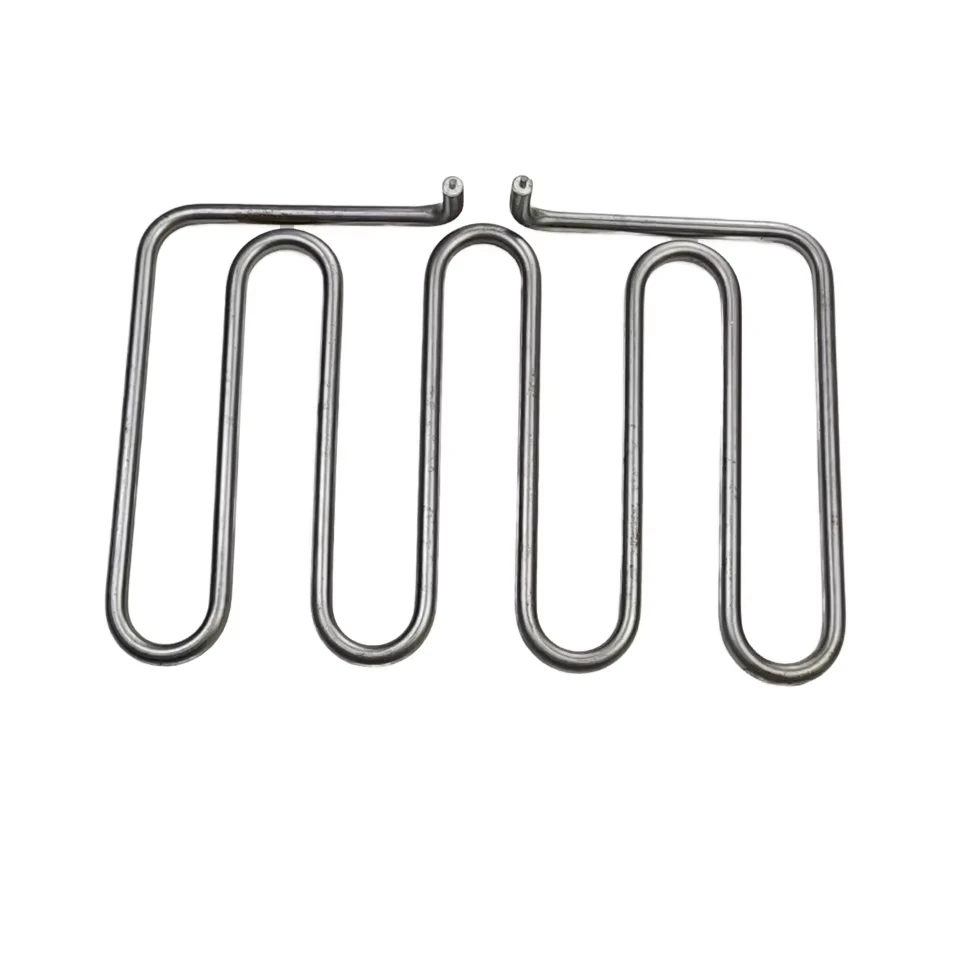
Even similar-looking liquids could need entirely different heating techniques.
For instance, hydraulic oils need less surface loading to prevent localized overheating, whereas water-based cleaning solutions typically transmit heat easily. Heat transfer fluids put thermal stability first, but other chemical solutions require corrosion resistance.
In real-world applications, fluid characteristics frequently have a greater influence on heater design than nominal power needs.
For this reason, rather of employing a general strategy, industrial liquid heaters are typically set based on operational conditions.
Why Heating Problems Are Not Always Heater Problems

Replacing the heater is frequently the first course of action when heating performance deteriorates. However, real-world experience demonstrates that many issues have other roots.
Not Enough Circulation
Inadequate fluid flow can lower heat transfer efficiency and cause temperature variations.
Heat Loss via Pipes and Tanks
Inadequate insulation can lengthen heating times and use more energy.
Overheating Capacity
Unstable operation and frequent temperature swings might result from oversized systems.
Inaccurate Temperature Configuration
Operating at excessively high temperatures might hasten fluid deterioration without enhancing performance.
Generally speaking, evaluating the overall system yields better results than concentrating solely on the heating component.
Questions Engineers Usually Ask Before Recommending a Heater

Engineers typically concentrate on comprehending the application before talking about power or voltage.
Common inquiries consist of:
What is the hot liquid?
What is the starting temperature?
What temperature must be kept constant?
Does the liquid circulate or is it static?
Are there any contaminants or additives in the fluid?
Is heating ongoing or sporadic?
What area is available for installation?
The answers to these issues frequently have a greater impact on heater design than electrical specifications.
Manufacturing and Quality Assurance

Before being sent, each industrial liquid heater is examined and produced under strict production guidelines.
Included in quality inspection are:
Verification of raw materials
Testing for resistance values
Testing for insulation resistance
Inspection of leakage current
Verification of output power
Final evaluation of performance
To guarantee product uniformity and dependability, our production process follows an ISO9001 quality management system.
Certifications
ISO9001 Certified CQC Certified Guarantee
MOQ: 50 Pieces; 1-Year Warranty
Lead Time
Depending on the parameters and quantity needed, the majority of custom orders can be finished in 25 days.
OEM and Custom Solutions
Customized solutions are available for various operating situations because no two liquid heating applications are precisely the same.
Among the alternatives are:
Personalized voltage setups
Unique power ratings
Flanged or threaded mounting
Designs with low watt density
Materials resistant to corrosion
Controllers and sensors for temperature
Configurations that prevent explosions
Unusual dimensions
Instead of depending just on standard goods, our engineering team collaborates with customers to create heating solutions that match particular process requirements.

Need Help Evaluating Your Application?
Instead of only choosing power, the first step in selecting the best industrial liquid heater is comprehending the process.
If you are able to supply the following details:
sort of liquid
Flow rate or tank volume
Starting and desired temperatures
supply of voltage
Method of installation
Environment of operation
Quantity specifications
Based on your application, our engineers can suggest an Industrial Liquid Heater solution that can help lower the risks of overheating, excessive energy use, and early heater failure.
Certifications
Deliver complete, certified solutions


FAQ
Q: Why do oil heaters often require lower watt density?
A:Oil generally transfers heat more slowly than water. Lower watt density helps reduce localized overheating and carbon formation.
Q:Can the same heater be used for both oil and water?
A:In some cases yes, but the optimal design often differs depending on the liquid properties and operating conditions.
Q: What information is required for heater selection?
A:Liquid type, temperature range, tank size, voltage, installation method, and operating environment are typically required.
Request a Quote
Looking for an Oil and Water Heater designed for your specific application?
Share your liquid type, operating temperature, tank size, voltage, and installation requirements. Our engineering team will review the application and recommend a suitable heating solution.
Need a Custom Heating Solution?
Contact our engineering team for:
Product recommendations
OEM customization
Technical consultation
Fast quotation support
Get Free Quote
Contact Us
Send Inquiry
Hot Tags: industrial liquid heaters, China industrial liquid heaters manufacturers, suppliers, factory